In high-speed automation and heavy-duty machinery, selecting the right material for cable carriers directly impacts operational stability and service life. While Standard Nylon PA66 and Glass Fiber Reinforced Nylon (PA66+GF) are both popular choices, their mechanical properties, wear resistance, and temperature limits differ significantly. Understanding these dynamic differences will help you specify the ideal drag chain for your application.
Standard Nylon PA66 Cable Carriers
Unreinforced Polyamide 66 (PA66) is the baseline engineering polymer for general-purpose cable drag chains. It balances toughness, flexibility, and cost-effectiveness in low-to-medium load environments.
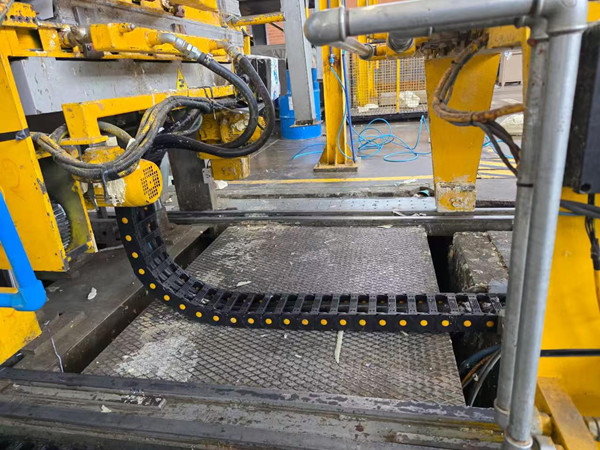
Figure 1: Yodel standard PA66 nylon drag chain installed on hydraulic equipment for cost-effective running.
Key Advantages:
- Excellent Elasticity & Impact Resistance: Provides good flexibility to absorb impact without brittle fracture during low-to-medium speed travel.
- Quiet Operation: Unreinforced nylon inherently reduces friction noise between chain links, ensuring low-decibel running.
- Economical Solution: Lower material costs make standard PA66 ideal for mass-produced light machinery and budget-conscious projects.
Best Used For:
Indoor assembly lines, 3D printers, light-duty CNC routers, packaging machinery, and medium-travel hydraulic equipment.
Glass Fiber Reinforced Nylon (PA66+GF) Cable Carriers
By blending short glass fibers (typically 15% to 30%) into the PA66 matrix, PA66+GF drag chains achieve vastly superior structural rigidity, tensile strength, and thermal stability.
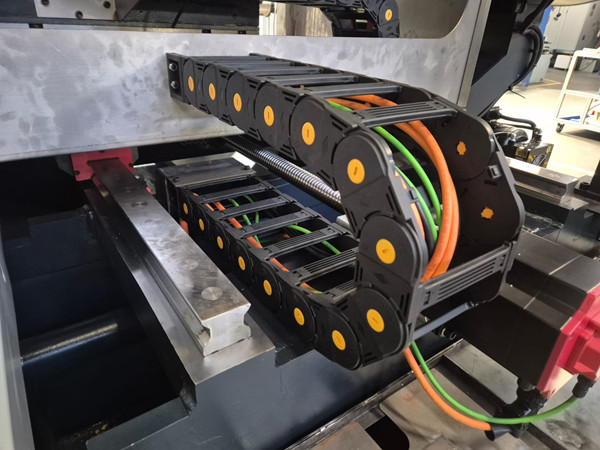
Figure 2: Yodel heavy-duty PA66+GF drag chain offering high mechanical strength for long travel spans and heavy cable loads.
Key Advantages:
- High Mechanical Rigidity & Tensile Strength: Glass fiber reinforcement prevents chain sagging, allowing longer unsupported travel distances under heavy hose loads.
- Superior Temperature & Heat Resistance: Maintains structural integrity under higher ambient temperatures and friction heat.
- Enhanced Creep & Wear Resistance: Resists deformation and pin joint wear under continuous high-speed dynamic acceleration.
Best Used For:
Heavy CNC machine tools, long-travel gantry systems, outdoor port cranes, mining machinery, and severe high-load automation environments.
Performance Comparison: Standard PA66 vs. PA66+GF
The comparative matrix below illustrates key mechanical performance metrics between standard PA66 and glass-fiber reinforced PA66+GF material grades:
| Performance Metric | Standard PA66 | PA66 + Glass Fiber (PA66+GF) |
|---|---|---|
| Tensile Strength & Stiffness | Standard (Moderate) | Very High (Up to 2x higher) |
| Unsupported Travel Length | Short to Medium Spans | Long Spans (Resists Sagging) |
| Heat Resistance (HDT) | Moderate (~70°C - 90°C) | High (~180°C - 200°C) |
| Flexibility & Impact Absorbency | High (More Elastic) | Rigid (Lower Elasticity) |
| Noise Level | Quieter Running | Slightly Firmer Sound Profile |
How to Select the Right Drag Chain Material?
To choose the optimal nylon material for your machinery, consider two crucial engineering factors:
- Load & Unsupported Travel Distance: If your application involves long travel strokes or heavy hydraulic bundles, select PA66+GF to avoid chain collapse.
- Noise Sensitivity & Budget: For light-load, high-speed indoor automation where noise reduction and cost efficiency are priorities, Standard PA66 is the ideal choice.
At Yodel Technology, we manufacture both pure PA66 and custom PA66+GF engineered cable carriers with precise glass fiber content control to ensure long-term durability. Contact our engineering team today for technical datasheets, material selection support, and CAD models.