Selecting the right cable drag chain is critical for protecting dynamic cables and hoses in industrial automation. When configuring your cable management system, the two most primary structural designs are Bridge Type Cable Carriers (Open Design) and Fully Enclosed Cable Carriers (Closed Design). Understanding their key differences will help you optimize equipment performance, extend cable service life, and lower overall maintenance costs.
Bridge Type Cable Carriers (Open Design)
Bridge type drag chains feature an open frame structure with crossbars holding the side chains together. They allow visible access to internal cables and hydraulic lines while maintaining structural stability during rapid movements.
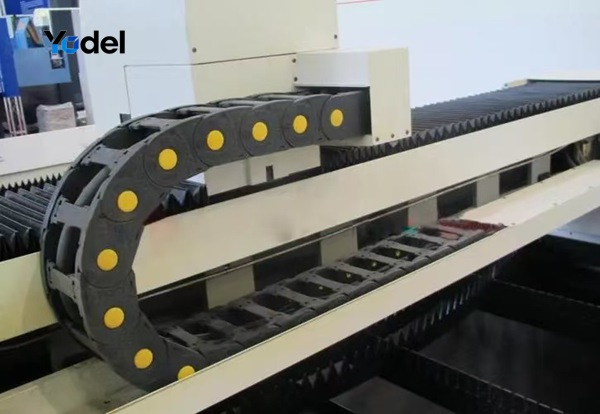
Figure 1: Yodel bridge type open cable carrier operating on an automated machine tool, offering maximum ventilation and easy visual inspection.
Key Advantages:
- Superior Heat Dissipation: The open structure ensures maximum airflow, preventing heat buildup around high-power servo motor cables.
- Lightweight & Fast Acceleration: Reduced structural weight allows for higher moving speeds and dynamic acceleration without excessive wear.
- Easy Cable Inspection & Replacement: Openable crossbars allow field engineers to inspect, lay, or replace cables quickly without dismantling the entire drag chain assembly.
- Cost-Effective: Lower raw material usage makes bridge type carriers a budget-friendly choice for general automation applications.
Best Used For:
Indoor CNC machining centers, automated handling systems, electronics assembly lines, gantry robotics, and clean industrial environments with minimal dust or debris exposure.
Enclosed Cable Carriers (Closed / Sealed Design)
Enclosed cable carriers feature solid outer covers along the entire length of the chain, creating a robust, protected inner chamber for sensitive electrical cables and hydraulic hoses.
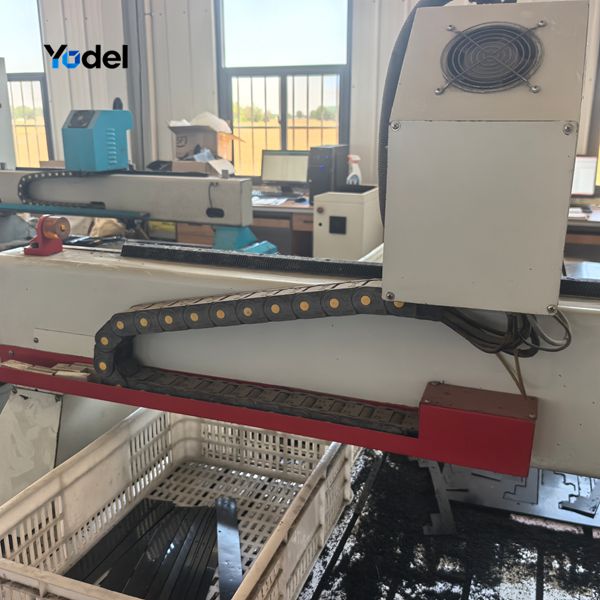
Figure 2: Yodel fully enclosed sealed drag chain shielding internal cables from flying debris, dust, and foreign particles in harsh operating conditions.
Key Advantages:
- Maximum Debris & Dust Protection: Shields internal cables against flying metal chips, wood dust, abrasive sand, hot welding spatter, and liquid coolant splashes.
- Extended Cable Lifespan in Harsh Environments: Prevents sharp contaminants from entering the inner cavity and grinding against cable outer jackets during repeated bending.
- Enhanced Aesthetic & Cleanliness: Keeps all internal hoses neat, organized, and completely hidden while providing a sleek, professional machine finish.
Best Used For:
Woodworking machinery, metal cutting/milling machine tools, foundry equipment, mining systems, and outdoor port automation exposed to severe contamination or harsh weather.
Comparison Summary: Bridge vs. Enclosed
To help you quickly evaluate both dynamic cable carrier designs, the table below highlights their performance characteristics across key operational factors:
| Feature / Factor | Bridge Type (Open Design) | Enclosed Type (Closed Design) |
|---|---|---|
| Protection Level | Basic (Open Access / Dust Exposed) | High (Sealed against dust, chips & liquids) |
| Heat Dissipation | Excellent (Maximum Airflow) | Moderate |
| Maintenance & Laying | Fast & Direct Visual Access | Requires cover panel removal |
| Moving Speed & Weight | Lighter / High Dynamic Speed | Slightly Heavier Frame |
How to Make Your Final Selection?
When deciding between bridge type and enclosed cable carriers for your machinery, ask yourself two main questions:
- Are foreign particles or hot debris present? If yes (e.g., metal turnings, woodworking sawdust, welding spatter), choose an Enclosed Cable Carrier to guarantee cable safety.
- Is high-speed movement or maximum heat ventilation required? If your operating environment is clean and requires high dynamic acceleration, choose a Bridge Type Cable Carrier.
At Yodel Technology, we supply both standard and custom-engineered bridge type and enclosed drag chains crafted from premium reinforced PA66 nylon and heavy-duty steel. Contact our technical support team today for expert selection assistance, technical datasheets, and custom CAD drawings.